
History, told
from the inside.

Historical voices, carefully edited. Explore medieval Italy, Prussia, and the Great Migration through books and audiobooks.

Explore this edition
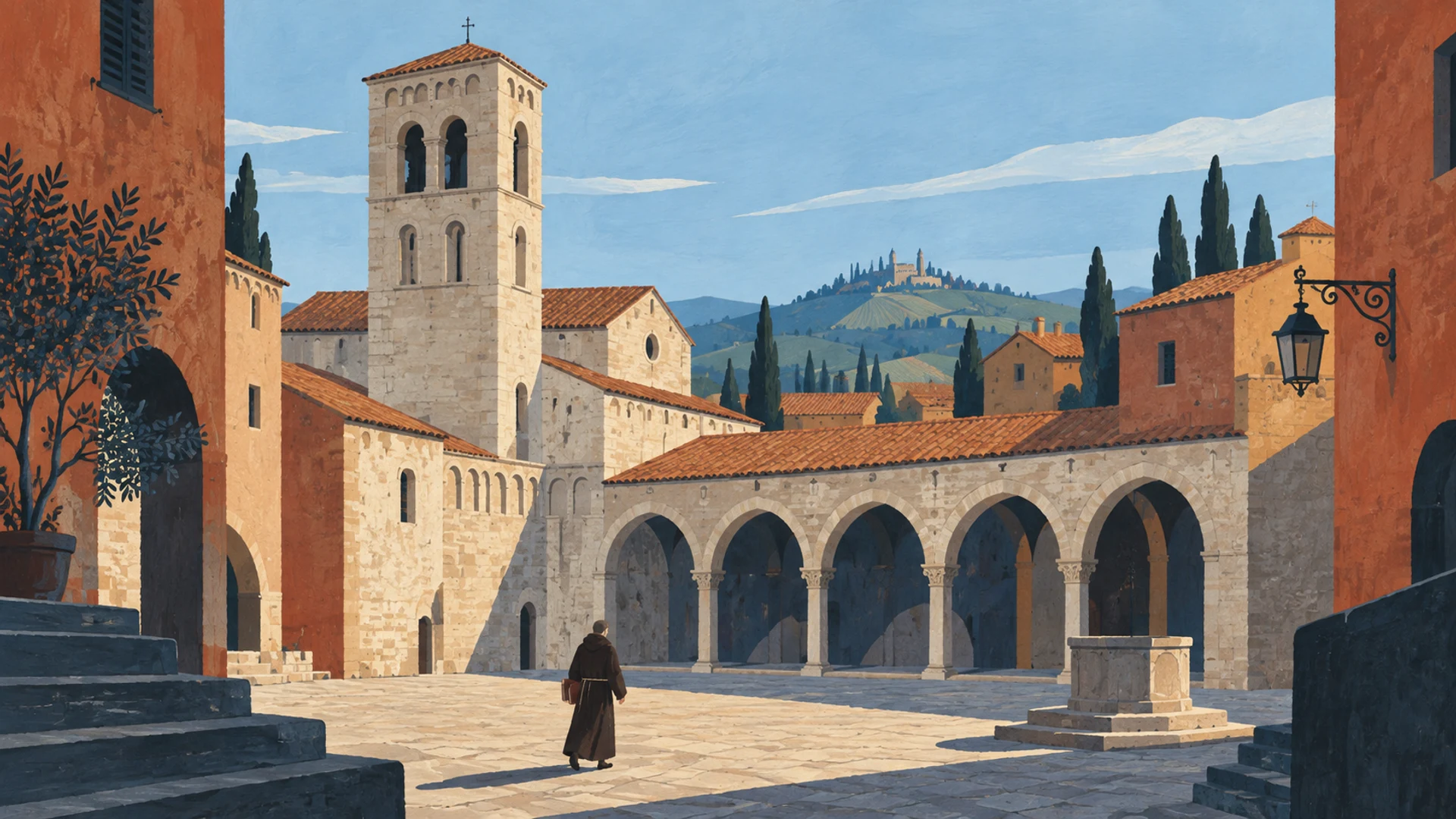
Painted interpretation of an Italian town with a friar crossing a stone square
An imagined historical setting, illustrated for Horn & Hickory.

On the reading table.

Explore available historical editions, their source notes, contributor credits, and ways to read.

Browse all editions

Available now / Kindle

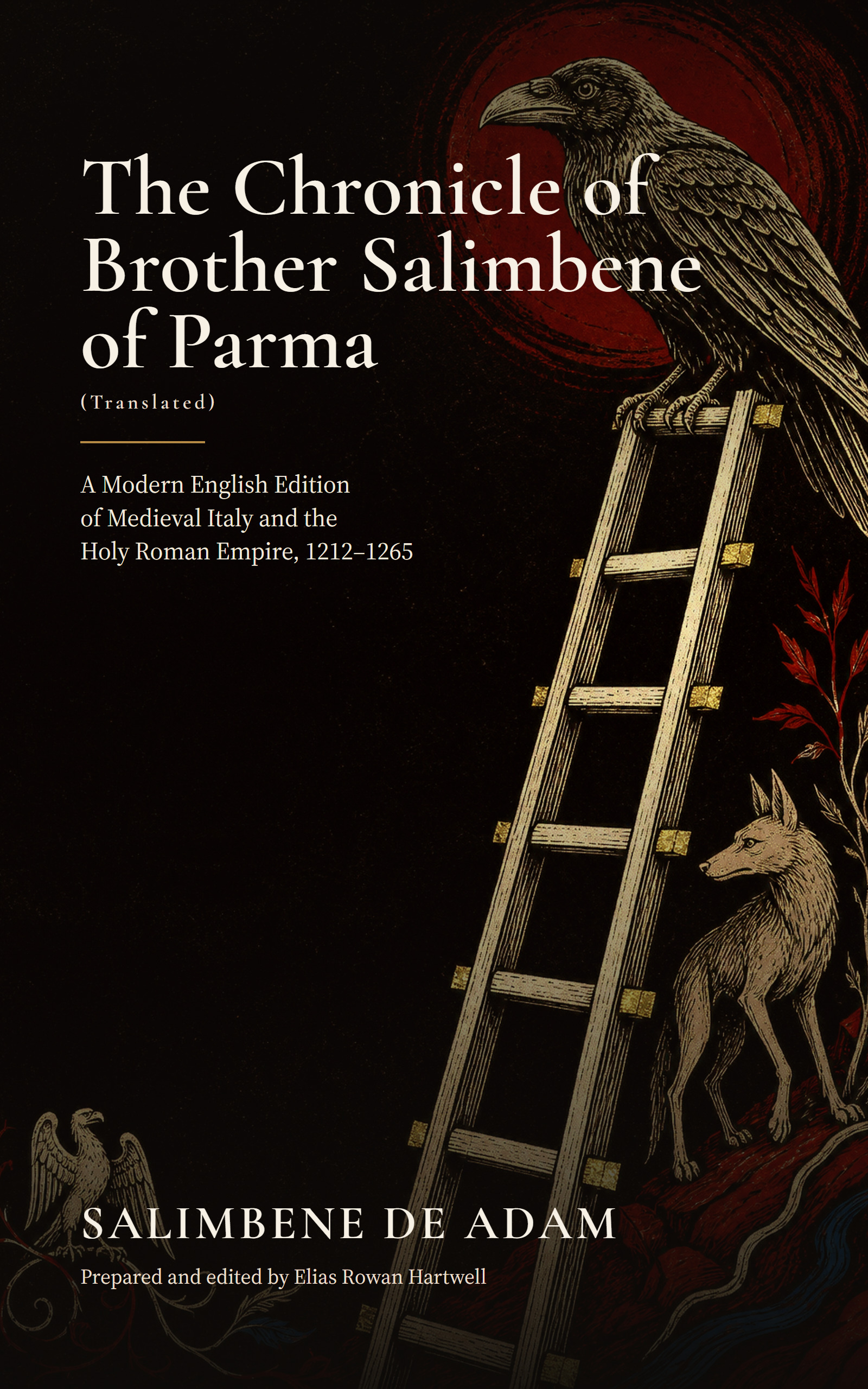
The Chronicle of Brother Salimbene of Parma

By Salimbene de Adam; Translated by Elias Rowan Hartwell

A complete modern English translation of Salimbene de Adam’s chronicle, following medieval Italy, the Franciscan order, the papacy, the Holy Roman Empire, and the political life of thirteenth-century Europe from 1212 to 1265.

623 pages / Source edition 1882

Explore this edition
Available now / Kindle

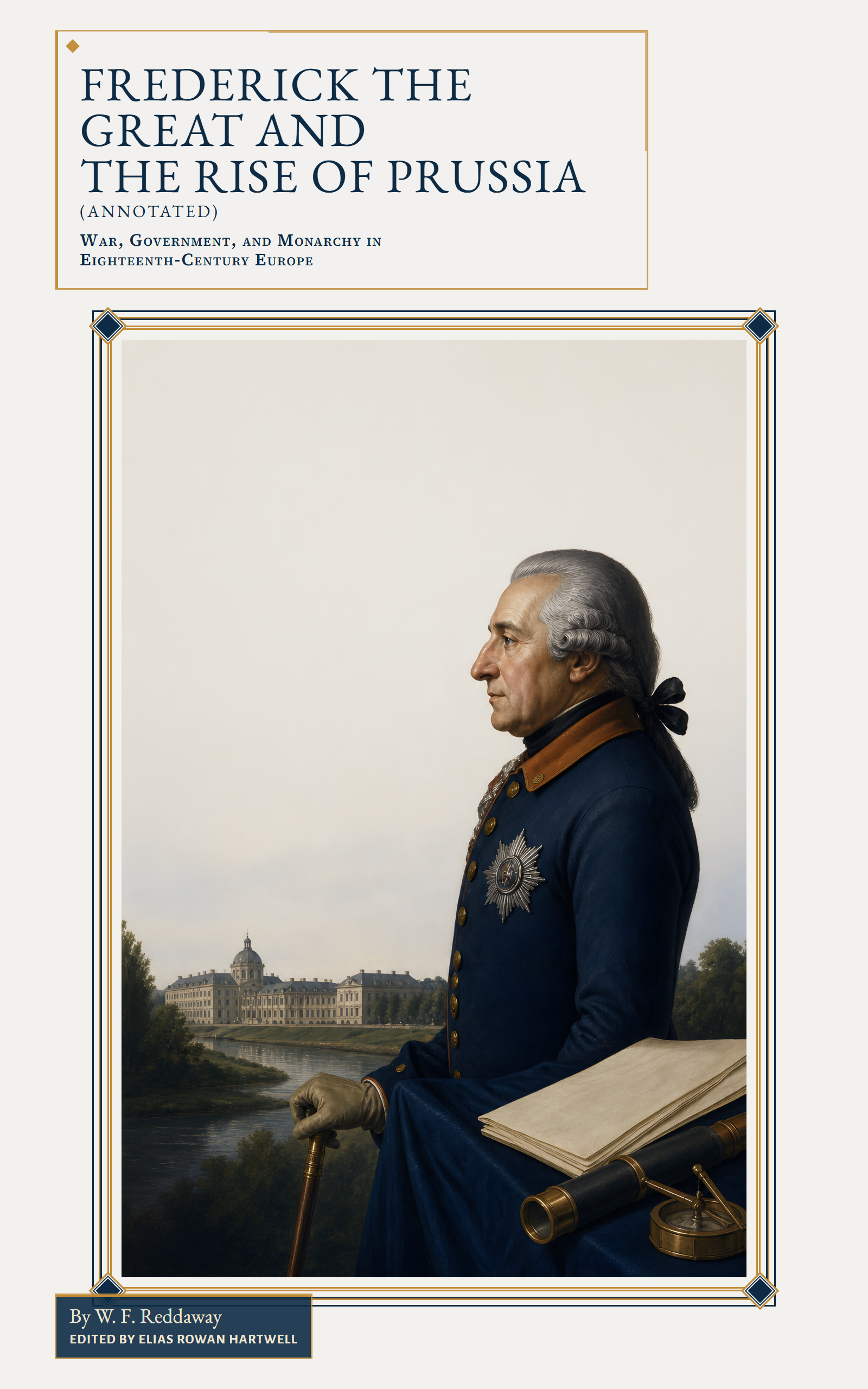
Frederick the Great and the Rise of Prussia (Annotated)

By W. F. Reddaway; Edited by Elias Rowan Hartwell

W. F. Reddaway traces Prussia’s rise through Frederick II’s crown-prince years, the Silesian conflicts, the Seven Years’ War, postwar administration, and European policy. This edition presents the 1904 Heroes of the Nations text and index while placing its great-man framework in context and adding a territorial map, a lifetime portrait, and Menzel’s retrospective court painting.

368 pages / Source edition 1904

Explore this edition

Forthcoming from Horn & Hickory

Coming soon.

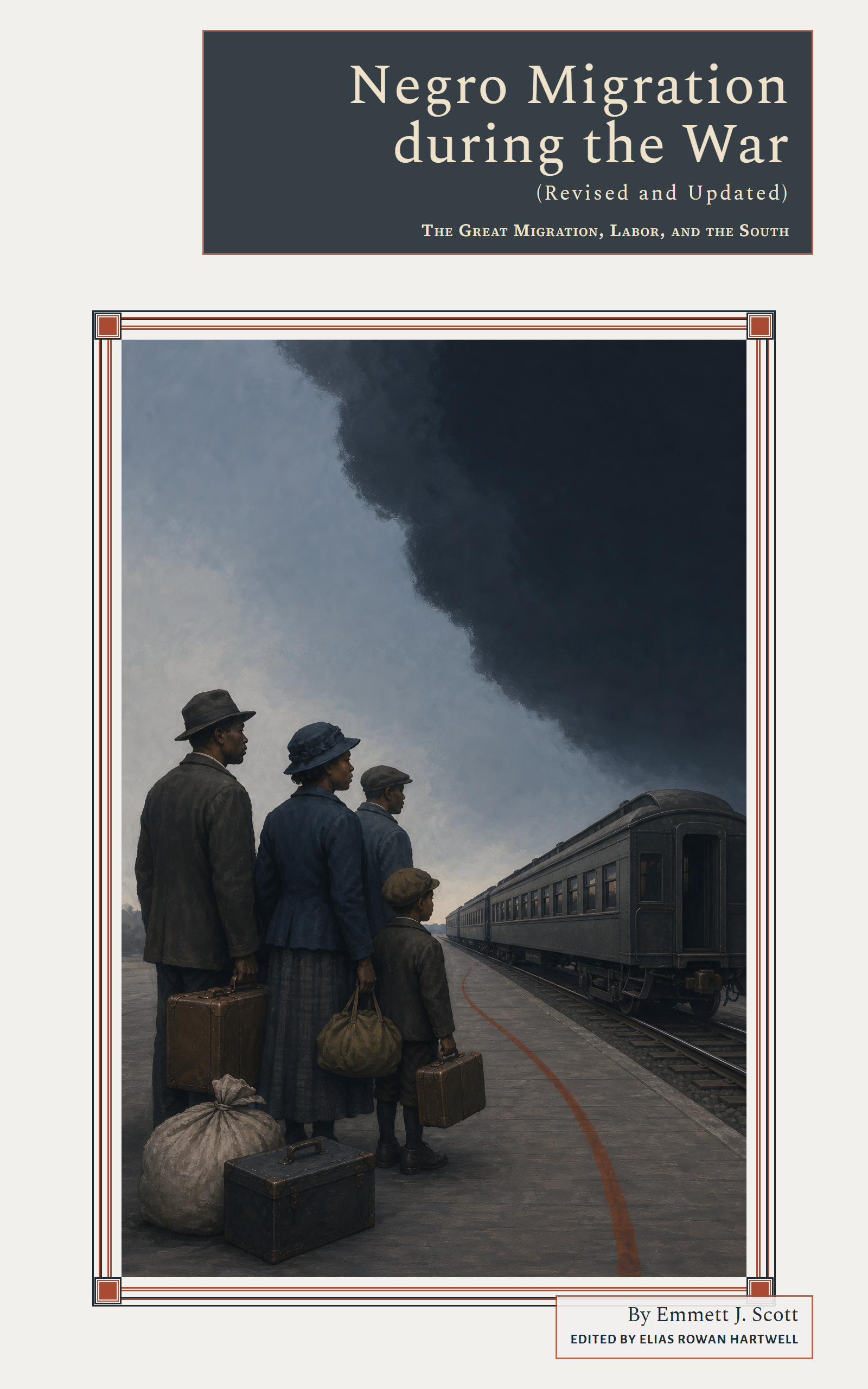
Negro Migration during the War (Revised and Updated)

The Great Migration, Labor, and the South

By Emmett J. Scott; Edited by Elias Rowan Hartwell

Emmett J. Scott’s 1920 study follows the wartime movement of Black people from the South to northern, eastern, and midwestern cities. This edition preserves Scott’s evidence and period language while adding a critical orientation, chronology, glossary, reader context, and four supplied newspaper scans alongside Scott’s original migration map.

Publication details and retailer links will be announced here.

Hear the history.

Watch the audiobook trailers, read the transcripts, and find the edition behind each voice.

All audiobook trailers

Audiobook trailer

Negro Migration during the War

0:54. Loading the player connects to YouTube.

Watch on YouTube(opens in a new tab)
Read trailer transcript

What makes a family leave everything they know? During the First World War, Black Americans left the South in search of work, safety, and a different future. Letters carried news. Newspapers carried arguments. Railways carried families toward northern cities. But arrival did not end the struggle. In Negro Migration during the War, Emmett J. Scott gathers the voices, reports, and numbers behind a movement that reshaped America. Hear the account through an original documentary narrator and distinct quotation readings. A history of movement, told through its evidence. Negro Migration during the War. Written by Emmett J. Scott. Edited by Elias Rowan Hartwell. Published by Horn and Hickory Press.

View Negro Migration during the War (Revised and Updated)

Audiobook trailer

Frederick the Great and the Rise of Prussia

0:47. Loading the player connects to YouTube.

Watch on YouTube(opens in a new tab)
Read trailer transcript

How did a small kingdom become a European power? In seventeen forty, Frederick inherited Prussia. Within months, his army crossed into Silesia. What followed would test a king, exhaust a continent, and transform the balance of power. Behind the victories stood a ruler of contradictions: soldier and philosopher, reformer and conqueror. Frederick the Great and the Rise of Prussia, by W. F. Reddaway. An annotated edition, narrated in British English. With annotations by Elias Rowan Hartwell. Published by Horn and Hickory Press. Discover the story, chapter by chapter.

View Frederick the Great and the Rise of Prussia (Annotated)

History begins with a witness.

American Source Editions records the source text, repairs scanning and typesetting errors, and adds concise notes on people, places, and editorial decisions. The author’s language, argument, and structure remain visible.

Primary sources preserve a writer’s vocabulary, observations, assumptions, and disagreements. They invite a different kind of reading from a modern summary: close attention to who is speaking, what they could know, and what their audience expected.

A restored edition makes that encounter easier to follow. The source itself remains something to examine, compare, and question.

Read the source.

Encounter the account itself and distinguish the original work from a later edition or translation.

Notice the viewpoint.

Authorship, purpose, and audience shape what a writer notices and how events are described.

Keep asking questions.

Use other evidence to test an interpretation and place a passage within its historical setting.

Explore the historical setting.

Each collection groups editions around a defined historical question and period.

All collections

1916-1919, documented in 1920

The Great Migration and Black American Life

Black migration, wartime labor, family decisions, and the changing relationship between the South and northern cities. Contemporary reports and testimony open questions about movement, opportunity, and unequal power.

1 edition / Includes a forthcoming edition

Explore this collection

1712-1786

Prussia, War, and Monarchy

Frederick the Great, the Silesian Wars, and the making of Prussia as a European power. Historical biography read alongside questions about government, military service, and the people behind the state.

1 edition

Explore this collection

Our editorial method.

Restoration is a series of editorial decisions. A useful edition makes those decisions visible, from the choice of source to the form of the finished book.

Read our editorial policy
Editorial illustration of an open source volume, a closed book, and writing materials beside a window
An illustration of reading and editorial work.
  1. Identify the source.

    Name the edition used to establish the text. Publication history, introductions, notes, and errata help a reader understand where an edition begins.

  2. Prepare the reading text.

    Correct scanning and typesetting defects. Where a work is translated, identify the source language and credit the translator. Keep the distinction between the historical text and modern editorial work visible.

  3. Make the context accessible.

    State which notes, reference material, and editorial additions accompany the work. A timeline, glossary, or bibliography can help readers follow unfamiliar people and institutions when the edition includes them.

  4. Document the edition.

    Publish the source basis, contributor credits, editorial note, and available formats on the book page. Give readers a clear route to ask a source question or report a correction.

A source you can trace.

Every historical work has a history of its own.

The author’s lifetime, the events being described, the publication of a source edition, and the preparation of a translation may belong to different periods. Keeping those layers separate helps you read and cite with care.

Read the complete edition record
Historical author
Salimbene de Adam
Source basis
Carlo Cantarelli’s 1882 Italian text, with Antonio Bertani’s introduction and Cantarelli’s notes and errata.
Editorial preparation
This edition translates Carlo Cantarelli’s 1882 Italian text and preserves Antonio Bertani’s introduction, Cantarelli’s notes and errata, and source-language quotations. New editorial material includes a foreword, afterword, timeline, glossary, guide to people and organizations, bibliography, and eight historical images.

Three questions for a closer reading.

A few careful questions make a primary source more useful for personal reading, classroom preparation, or historical research.

More about our approach

Who is speaking?

Start with the author, their role, and the audience they expected. A friar, traveler, official, or memoirist sees events from a particular position. That perspective is part of the evidence, not a reason to stop reading.

Which text are you reading?

Distinguish the historical work from the edition in your hands. A later transcription, printed source, or modern translation may stand between the original writer and the reader. Record the source edition and the translator when you take notes.

What needs another source?

Separate what the author witnessed from what they heard, inferred, or wanted readers to believe. Compare dates, names, and claims with other evidence. A primary source gives access to a historical viewpoint; it does not settle every historical question.

Choose your edition.

Start with the edition record, then follow a clearly labeled retailer link.

Format availability varies by title. Each book page lists its recorded print, Kindle, or Audible options and identifies where a link will take you. Check the retailer for current availability and pricing.

Find your edition

Read the edition details.

Review the description, source basis, credits, and editorial note before choosing a book.

Preview when available.

Published audio samples include transcripts. Video trailers load only when you choose to play them.

Visit the media library

Continue to the retailer.

Amazon sets prices and availability. Horn & Hickory does not sell books or process payment on this site.

Questions about our editions.

Learn more about the source material, editorial approach, and ways to read and use these editions.

What is a primary source book?

A primary source book presents evidence from the historical setting being studied, such as a chronicle, memoir, letter collection, travel narrative, or contemporary account. Its value depends on the question you are asking. Read it with attention to authorship, date, purpose, audience, and the edition or translation you are using.

What does Horn & Hickory publish?

Horn & Hickory publishes restored and modernized editions of historical source texts. Each edition page identifies its author and other contributors, describes the source basis and editorial work, and lists the formats currently recorded in the catalog. Explore the published catalog for the current selection.

Is a restored edition the same as a facsimile?

A facsimile reproduces the appearance of an earlier document or printed page. A restored reading edition prepares the text for reading and may correct scanning or typesetting defects. A translation also changes the language in which the text is presented. The source basis and editorial note explain the treatment used for a particular Horn & Hickory edition.

How do I find the source behind an edition?

Open the book page and read its source basis and editorial note. These identify the source edition and describe the modern preparation. Check the contributor credits for the author, translator, editor, or narrator where those roles apply. If a citation or textual detail remains unclear, contact the editorial desk with the title and passage.

Can I use these books for research or teaching?

The editions can be read alongside other historical evidence in independent study, research, or a classroom. Evaluate the source and translation for your particular question. When citing a passage, record the author, title, translator or editor where applicable, edition details, and page or location reference required by your citation style.

Where can I buy or read an edition?

Use the labeled retailer links on an edition page. The formats shown there reflect the catalog record for that book; not every title is available in every format. Retailers set their own prices and availability. Horn & Hickory does not process purchases or collect payment details on this website.

Are audio previews and transcripts available?

An audio preview appears only when an edition has a published sample. Available samples include a readable transcript and do not autoplay. The media library gathers published previews and trailers. A title without an audio sample should not be assumed to have an audiobook edition.

How can I report a correction?

Contact the editorial desk with the book title, chapter or page location, the issue, and supporting evidence when available. Source questions, translation queries, accessibility reports, and corrections help make editorial decisions reviewable. See the editorial policy for how correction reports are handled.

Have a question about a particular passage or edition? Write to the editorial desk.

Explore the catalog.

Find a historical voice. Read the edition. Follow the questions.

Explore the catalog